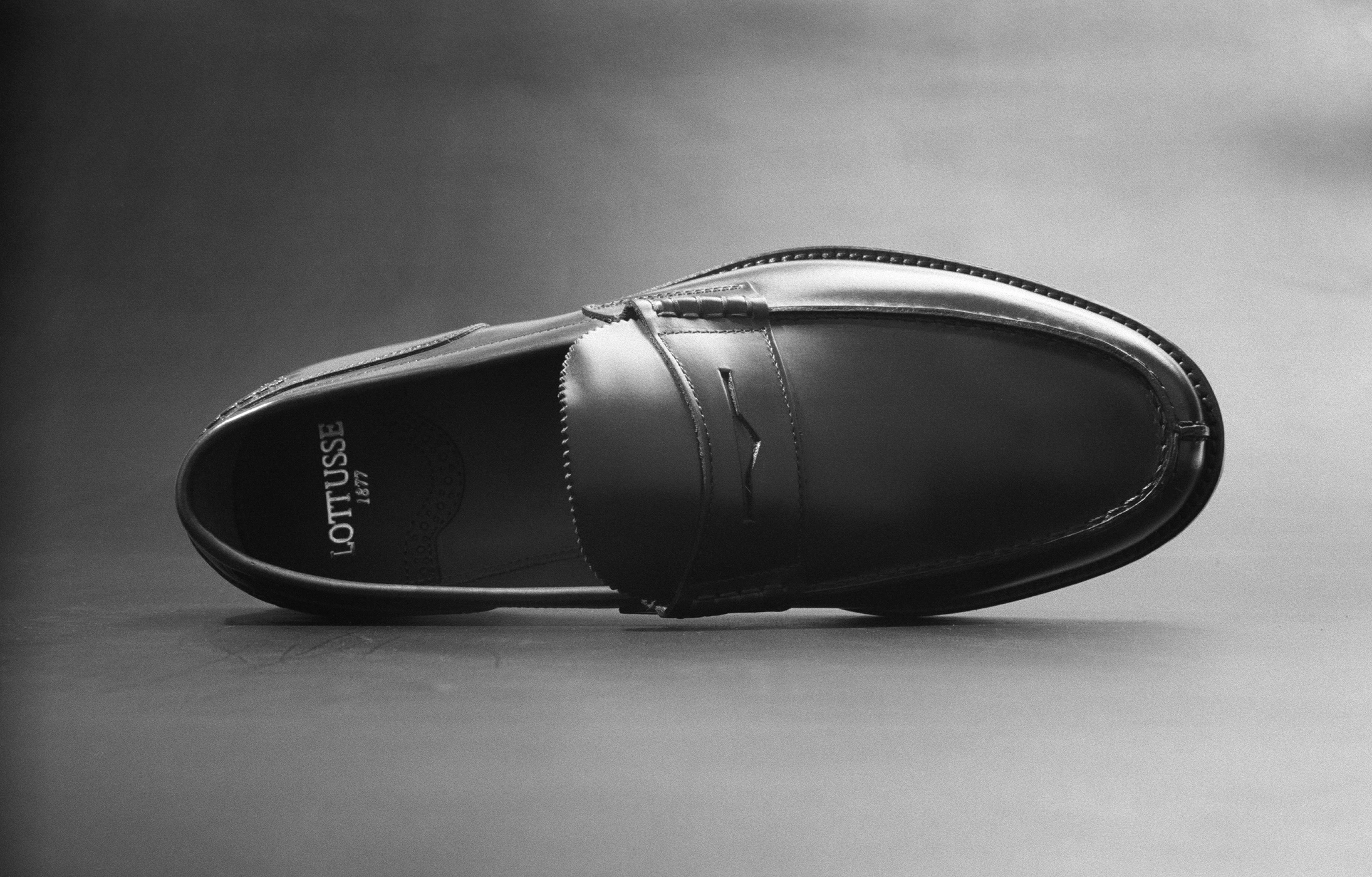
The Crafting Process Behind a Handcrafted Loafer
Behind every pair of handcrafted loafers for men or women there is a sequence of carefully executed steps where quality is never negotiable.
1. Leather selection
Everything begins with the choice of raw materials. At Lottusse we use European leathers – including calf, kangaroo and suede – selected for their softness, durability and natural texture. Each piece is inspected to ensure there are no imperfections and that it meets the house’s quality standards.
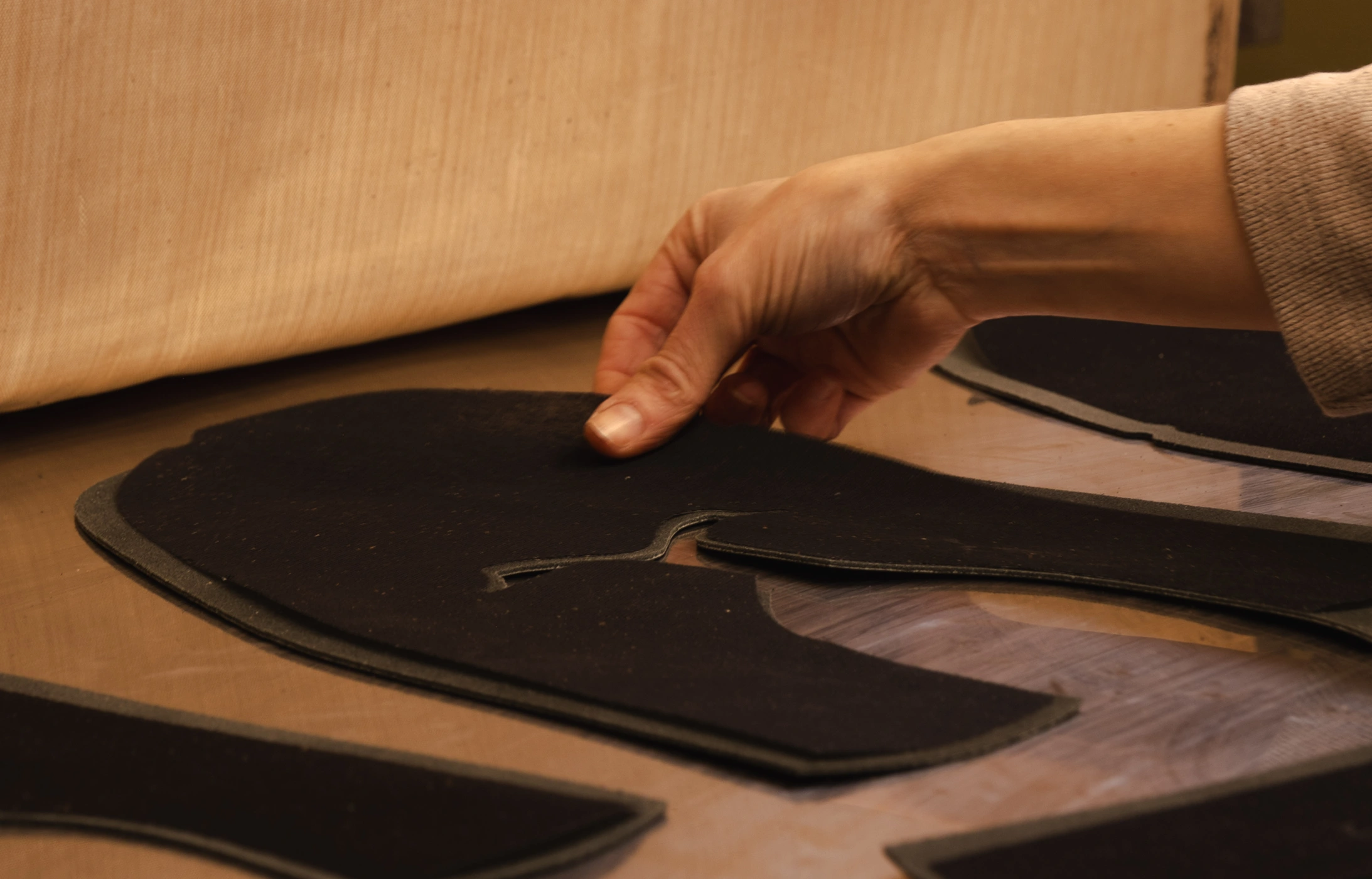
2. Cutting and pattern making
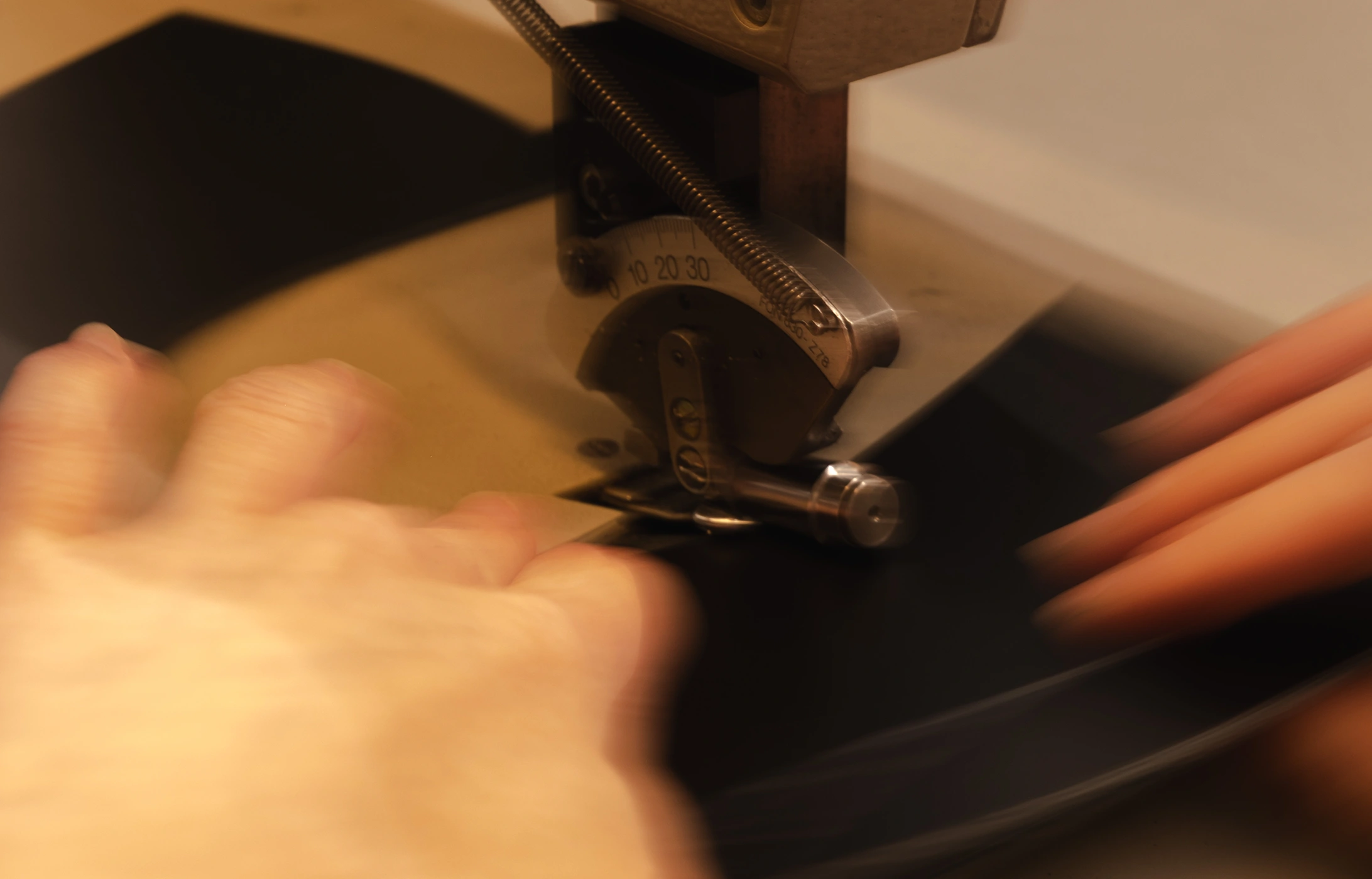
Using classic loafer patterns – whether penny, tassel or strap – artisans perform a precise manual cut. This stage requires expertise and attention, as each piece is unique. At this point it is also decided whether the loafer will be hand‑stitched, braided or built on a more structured construction.
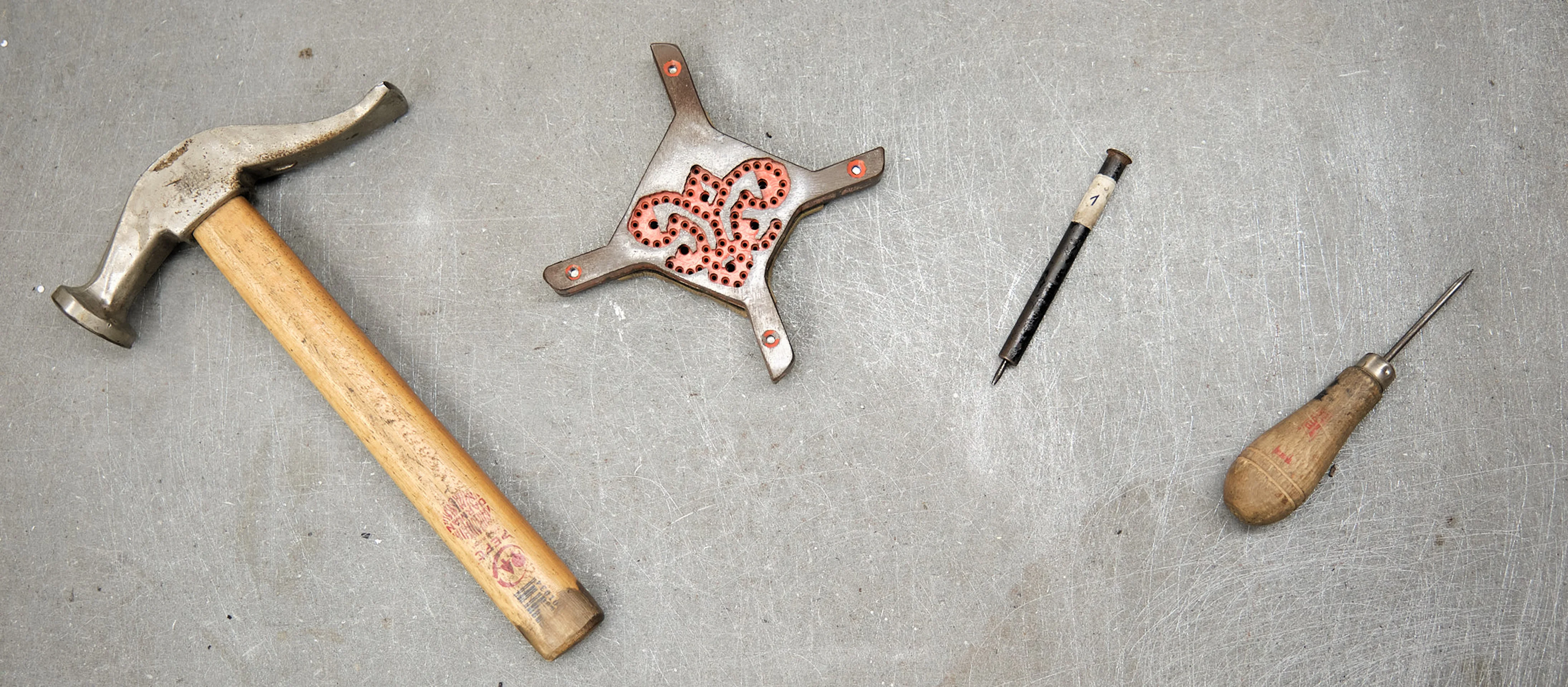
3. Assembly and hand stitching
The true artistry of a handcrafted loafer lies in its construction. At Lottusse we use techniques such as Blake stitching or glove construction (also known as sacchetto), allowing greater flexibility and adaptability to the foot. In some models the stitching is entirely manual, ensuring exceptional durability and an anatomical fit.
4. Lasting and drying
The loafers are placed on wooden lasts for several hours to guarantee their final shape. This step allows the shoe to adapt naturally to the contour of the foot without compromising its design or structure.
5. Finishing and quality control
Each handcrafted loafer is polished, brushed and finished individually. Colour is applied in layers and finishes are carefully crafted to achieve Lottusse’s distinctive aged or satin effect. Finally, the footwear undergoes a thorough quality control process before being packaged.
Care and Maintenance of Handcrafted Loafers
Investing in handcrafted loafers for men or women also means committing to their care. When properly maintained, they can accompany you for years and improve over time.
- Regular brushing: Use a soft brush to remove dust after each wear.
- Leather nourishment: Apply a specific cream depending on the type of leather (suede, calf, etc.) to maintain elasticity and colour.
- Avoid moisture: Allow loafers to dry at room temperature with cedar shoe trees inside if they become wet.
- Store them carefully: Use a fabric bag or their original box to protect them from direct light and dust.
These practices not only preserve the appearance of the footwear but also extend its lifespan and ensure every handcrafted detail remains intact.
The Best Handcrafted Loafers at Lottusse
At Lottusse we have spent more than 140 years perfecting the art of handcrafted footwear. Our collection of men’s loafers offers a wide range of models – from the classic penny loafer to braided versions in kangaroo leather – all produced using traditional techniques in our factory in Inca, Mallorca.
For women, handcrafted loafers combine clean lines with soft leathers and refined details. They are ideal both for urban looks and relaxed yet elegant moments. Their meticulous finishes and natural comfort make them a key element of any wardrobe.
Whether you are looking for a distinctive piece for everyday wear or an exceptional shoe for a special occasion, our loafers reflect the soul of the brand: sophistication, durability and deep respect for craftsmanship.
Discover the full collection of loafers for men and loafers for women and find the pair that best suits your lifestyle and personal philosophy.